
LEAKING SHOWER REPAIR MELBOURNE
We fix leaking showers permanently — strip-out, two-coat AS 3740 membrane and re-tile. No surface sealants, no temporary fixes. Every repair includes a Certificate of Waterproofing.
WARNING SIGNS YOUR SHOWER IS LEAKING
A leaking shower doesn't always announce itself with a puddle on the floor. Water can travel through failed waterproofing membranes, cracked grout and failed silicone joints — causing damage to walls, floors and structural framing long before it becomes visible. If you notice any of these signs, call us for a free inspection.
- Damp or stained walls beside the shower
- Mould or mildew smell in the bathroom
- Soft or spongy flooring near the shower base
- Peeling paint or wallpaper on adjacent walls
- Water stains on the ceiling below the bathroom
- Cracked, loose or hollow-sounding tiles
- Failed or discoloured grout and silicone
- Rising damp in rooms adjacent to the shower
OUR LEAKING SHOWER REPAIR PROCESS
We don't apply surface sealants or temporary fixes. Every leaking shower repair follows a permanent, AS 3740 compliant process.
Free Inspection & Quote
We inspect the shower, identify the source of the leak and provide a fixed-price quote. No obligation, no surprises.
Full Strip-Out
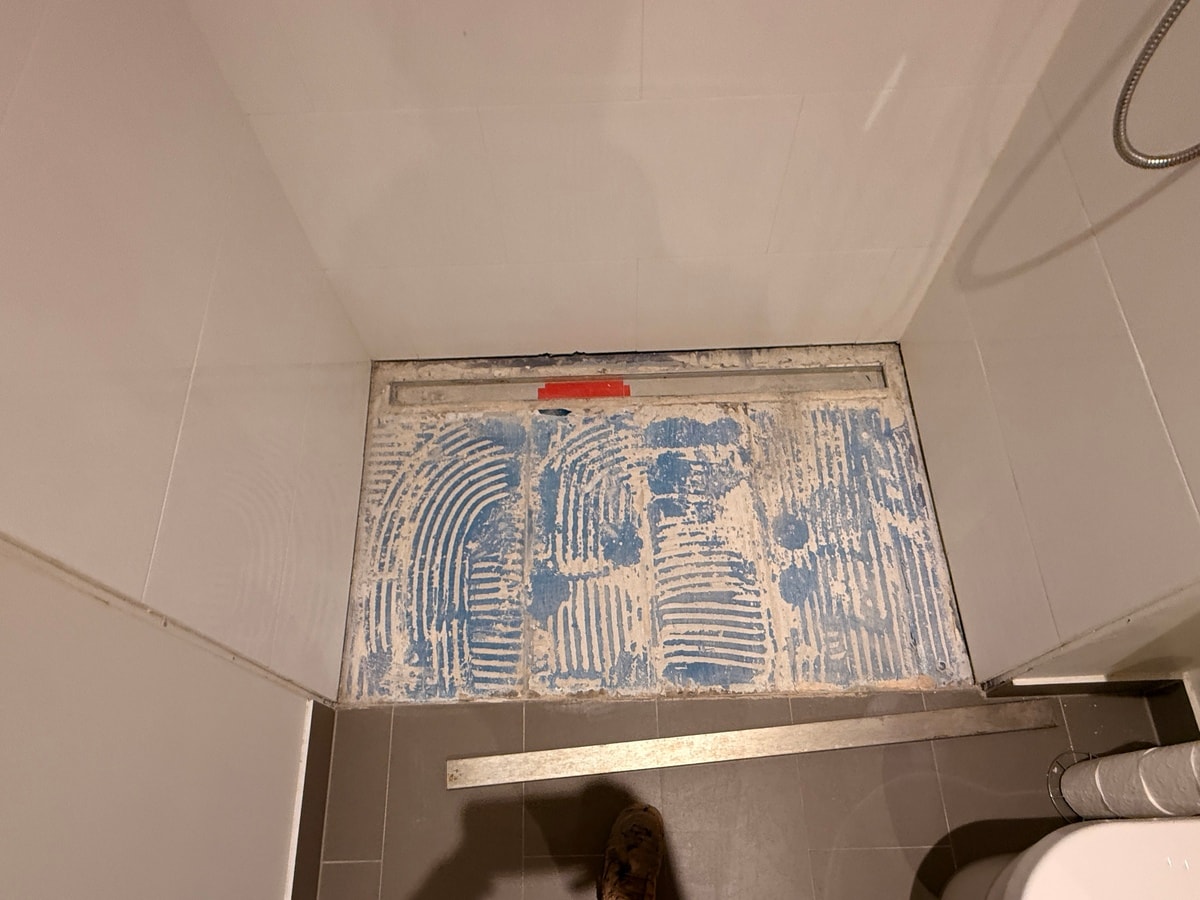
Tiles, screed and failed membrane are removed back to the substrate. We assess for any water damage to framing or substrate.
Two-Coat Membrane System
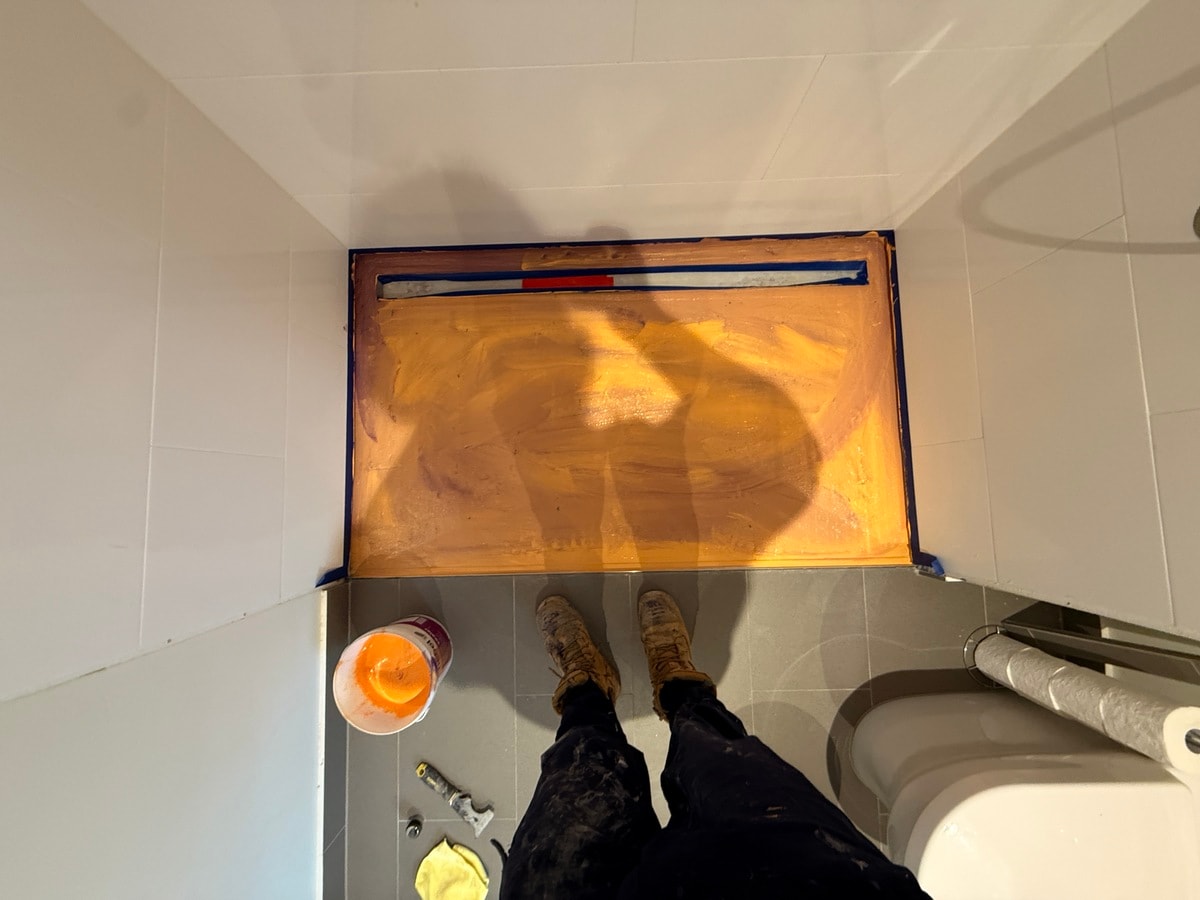
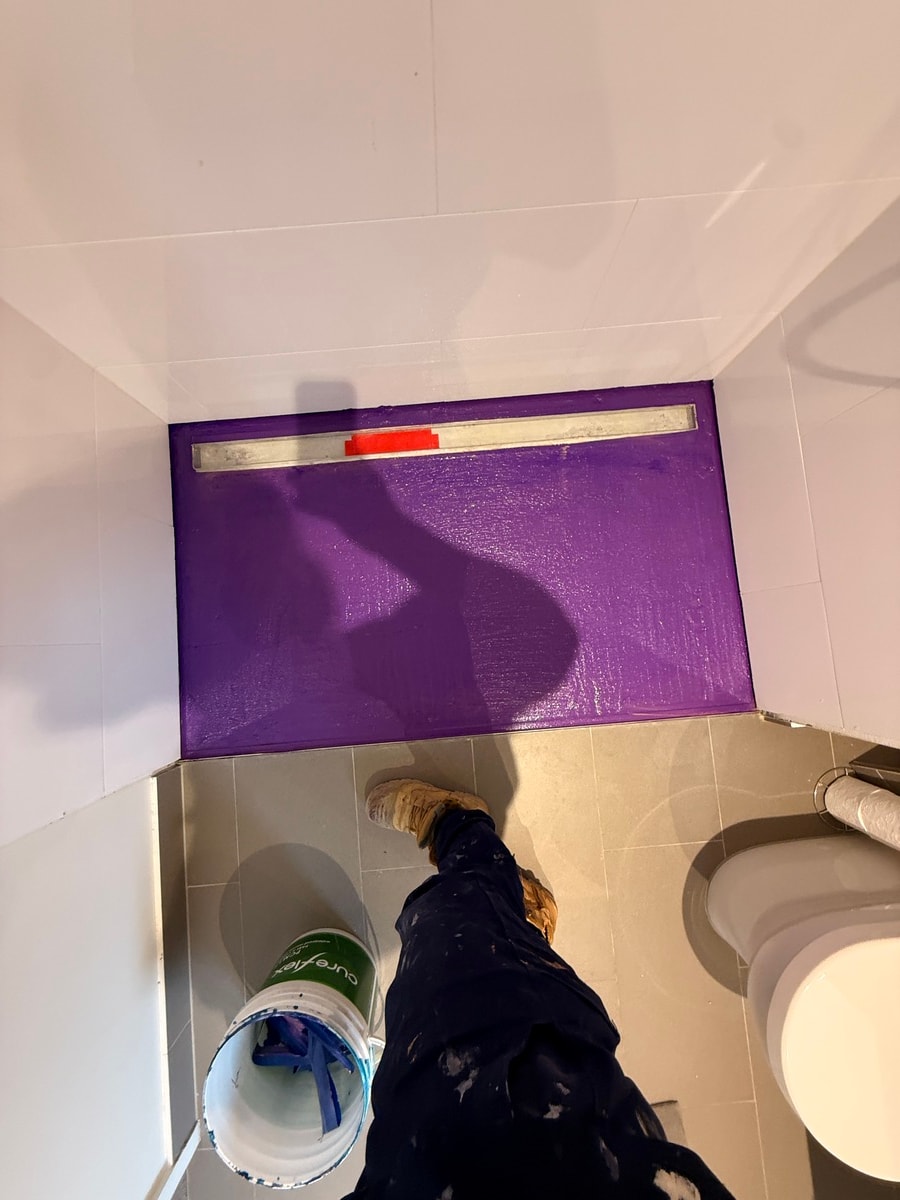
We apply a two-coat AS 3740 compliant waterproofing membrane to all wet areas, including correct upturns, junctions and penetrations.
Re-Tile & Finish
New tiles, grout and silicone are applied to a professional finish. We match existing tiles where possible or supply new ones.
Certificate of Waterproofing
On completion, you receive a Certificate of Waterproofing documenting AS 3740 compliance.
WHY CHOOSE CASEY QUALITY COATINGS
AS 3740 Compliant
Every repair complies with Australian Standard AS 3740. We apply the membrane correctly, cure it fully and document it — no shortcuts.
Certificate on Every Job
You receive a Certificate of Waterproofing on completion — AS 3740 compliant documentation provided.
Fixed-Price Quotes
No surprises. We assess the job, give you a fixed price and stick to it. You know exactly what you're paying before we start.
Permanent Fix Only
We don't apply surface sealants. We strip out the failed waterproofing and do the job properly — a repair that lasts.
Root Cause Diagnosis
We identify why the shower is leaking before recommending a repair — so the same problem doesn't come back in 12 months.
Water Damage Assessment
During strip-out we check for water damage to framing, substrate and adjacent areas — and address it before re-waterproofing.
LEAKING SHOWER REPAIR — COMMON QUESTIONS
Can you fix a leaking shower without removing the tiles?
Surface sealants and grout re-sealing are temporary fixes that typically last 6–18 months before the leak returns. The only permanent solution is a full strip-out — removing tiles, screed and failed membrane — re-waterproofing with a two-coat AS 3740 membrane system, and re-tiling. We'll always give you an honest assessment of your specific situation.
How do I know if my shower is leaking into the wall or floor?
Common signs include damp or discoloured walls adjacent to the shower, soft or spongy flooring near the shower base, mould or mildew smell in the bathroom, peeling paint or wallpaper on the other side of the shower wall, or rising damp in the room below. If you notice any of these, call us for a free inspection.
How long does a leaking shower repair take?
A standard leaking shower repair — strip-out, re-waterproofing and re-tiling — typically takes 3–5 days depending on the size of the shower and the extent of water damage. We'll give you a clear timeline with your fixed-price quote before any work begins.
Do you provide a Certificate of Waterproofing after the repair?
Yes — on every job, without exception. The certificate documents the membrane system used, the areas covered and compliance with AS 3740. It's essential for insurance claims, building inspections and property resale.
What causes showers to leak?
The most common causes are failed or inadequate original waterproofing membrane, cracked grout or tiles allowing water penetration, failed silicone at junctions (floor-to-wall, hob, screen), movement in the substrate causing membrane failure, and substandard original installation. We identify the root cause before recommending a repair approach.
Will my insurance cover a leaking shower repair?
This depends on your policy. Sudden damage (e.g. a burst pipe) is often covered; gradual leaks from failed waterproofing are typically not. A Certificate of Waterproofing from us documents the repair for any insurance or building inspection purposes.
LEAKING SHOWER? GET A PERMANENT FIX.
Call us for a free inspection and fixed-price quote. We're on the road across Melbourne's south-east every day.